Address
NO.313,Unit3,LaoDong WestRoad,TianNingDistrict,Changzhou,JiangSu,China
Work Hours
Monday to Friday: 9AM - 5PM
Weekend: 10AM - 5PM
Address
NO.313,Unit3,LaoDong WestRoad,TianNingDistrict,Changzhou,JiangSu,China
Work Hours
Monday to Friday: 9AM - 5PM
Weekend: 10AM - 5PM


In the commercial food processing and catering industries, effective hair restraint is a cornerstone of hygiene compliance. However, when sourcing hairnets, procurement managers often face a technical choice: 15D versus 55D.
Understanding the concept of “Denier” —a unit of measure determining the linear mass density of fiber—is crucial to selecting the right product for your workplace environment. Here is a practical guide to help you choose the ideal denier for your food service needs.
Denier measures the thickness of the individual threads used in the hairnet.
Lower Denier (15D): Represents a finer, thinner thread, resulting in a lightweight, nearly invisible mesh.
Higher Denier (55D): Represents a thicker, heavier thread, creating a robust, highly visible, and durable barrier.
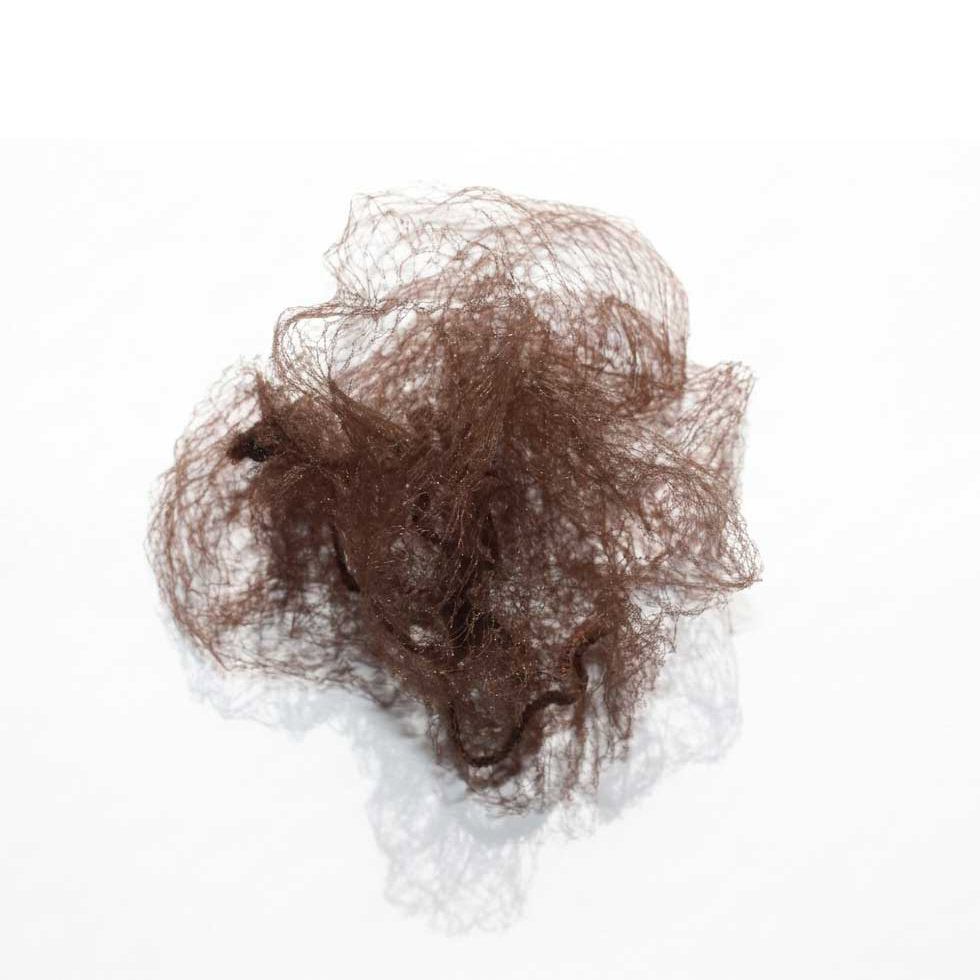
15D hairnets are typically manufactured using lightweight nylon or polyester. They are designed for environments where user comfort and subtle appearance are top priorities.
Best For: Front-of-house staff, open kitchens, fast-food service, and high-temperature cooking zones.
Pros: * High Breathability: The ultra-fine mesh allows maximum airflow, reducing sweat and discomfort during long shifts.
Cons: Lower tensile strength; designed primarily for single-use or short-duration wear.
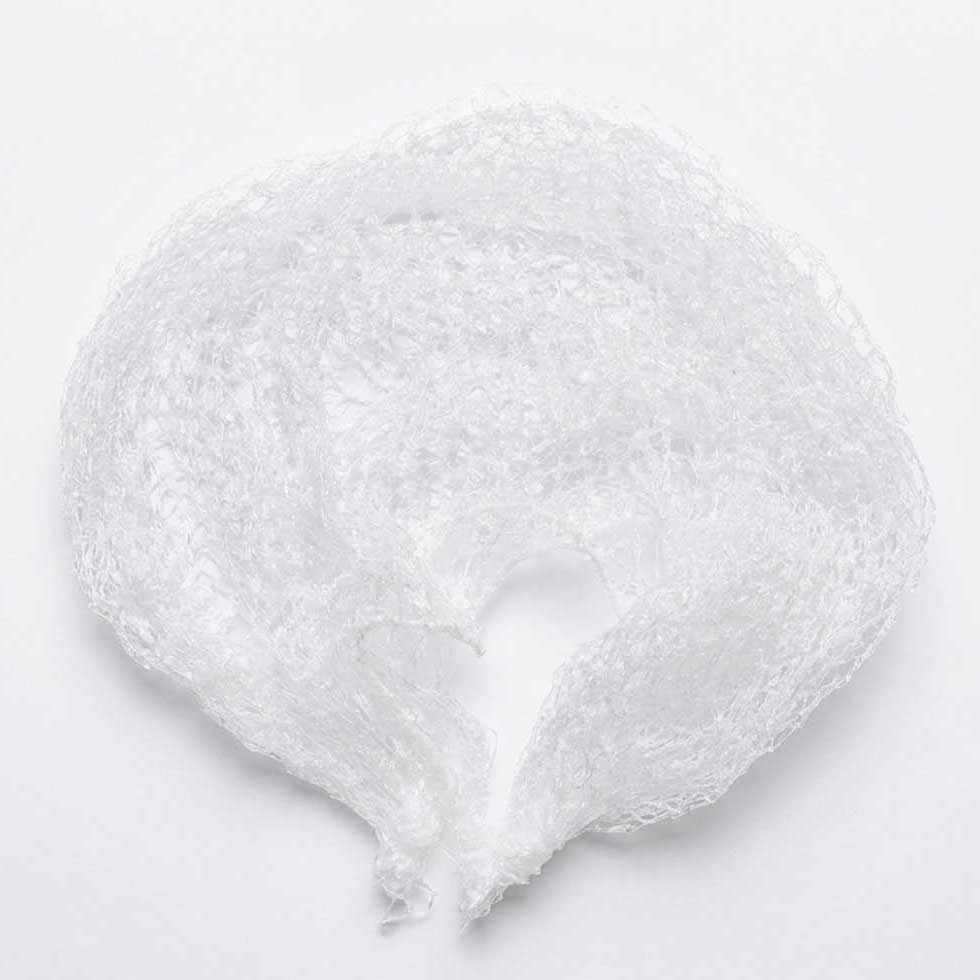
55D hairnets feature a much thicker weave. These are industrial-grade products engineered for high-risk contamination environments.
Best For: Food processing plants, automated packaging lines, industrial bakeries, and workers with thick or long hair.
Pros:
Superior Containment: The heavier yarn provides a stronger physical barrier, securely trapping even coarse or stubborn hair.
High Visibility: Thicker threads make the hairnet easily visible to quality control inspectors, ensuring strict compliance on the factory floor.
Durability: Less prone to snagging or tearing when pulled over hair accessories or safety gear.
Cons: Heavier and slightly less breathable than 15D options in hot environments.
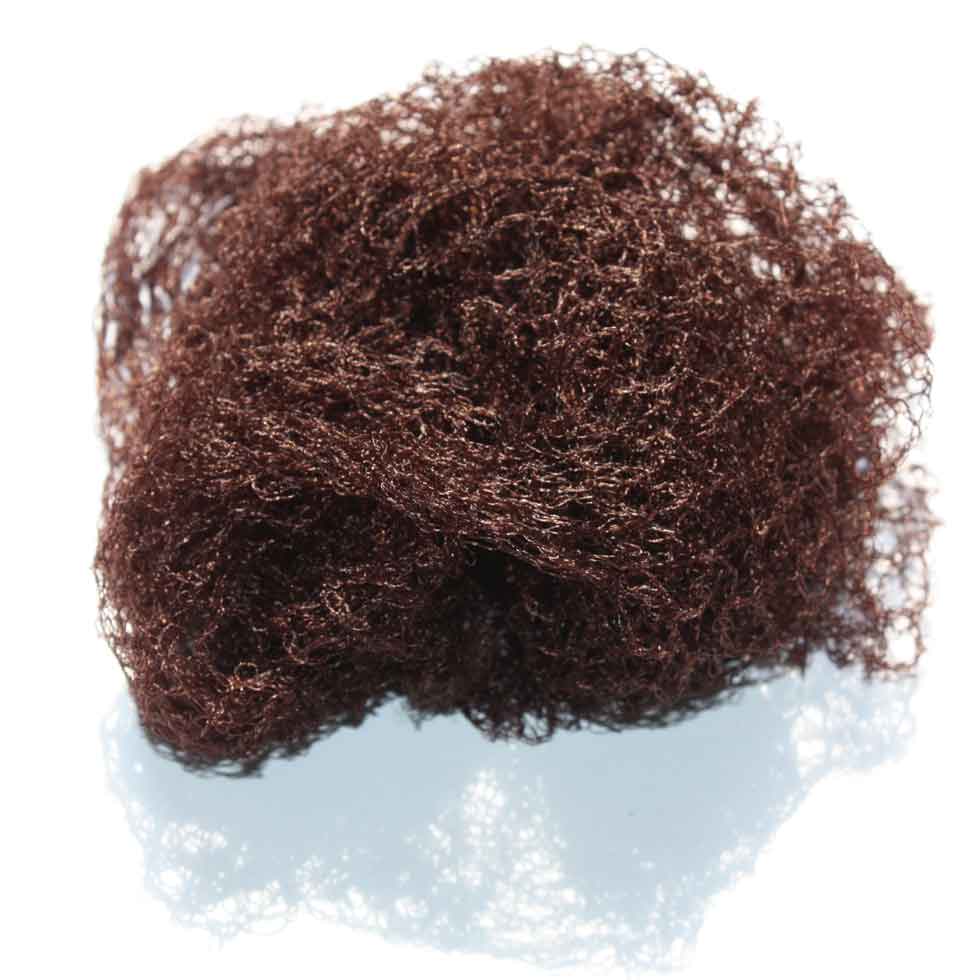
| Feature | 15D Hairnets | 55D Hairnets |
| Thread Thickness | Ultra-Fine | Heavy-Duty / Thick |
| Primary Benefit | Comfort & Breathability | Strength & High Visibility |
| Ideal Environment | Catering & Front-of-House | Food Processing & Manufacturing |
| Durability | Standard (Single-Use) | High (Snag-Resistant) |
Choosing between 15D and 55D comes down to balancing employee comfort with industrial compliance. For customer-facing roles or hot kitchen lines, 15D keeps workers cool and presentable. For back-end manufacturing where zero-tolerance foreign object contamination is enforced, the rugged reliability of 55D is the industry standard.
Partnering with a specialized OEM manufacturer ensures you get the precise denier, material, and sizing required to keep your supply chain compliant and your food products pristine.